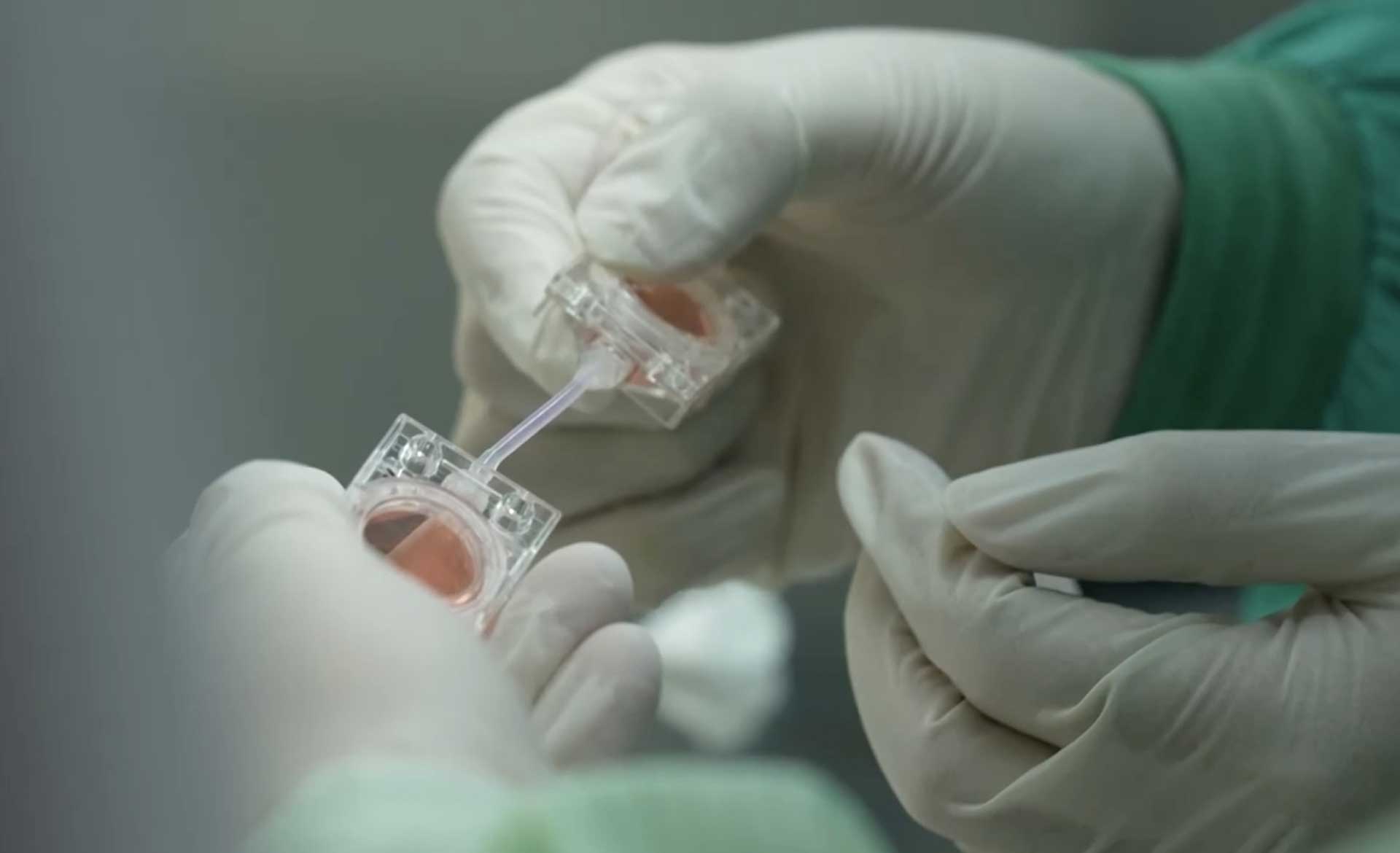
China has started the world’s first space experiment using human artificial embryos aboard its space station. The samples were delivered by the Tianzhou-10 cargo spacecraft and installed by Chinese taikonauts in the station’s experimental module.
Scientists say the experiment is progressing smoothly, with an automated system changing the culture medium for the samples every day. The study aims to explore how microgravity affects early human embryonic development and to support future long-term human survival and reproduction in space.
Researchers explained that the artificial embryos are created from human stem cells and are not real human embryos, meaning they cannot develop into a human being. Instead, they serve as scientific models for studying early development.
The five-day experiment will compare samples grown in space with identical samples on Earth to better understand the biological challenges humans may face during long-term space missions. Along with the artificial embryos, the Tianzhou-10 mission also carried dozens of other scientific experiments, including zebrafish and mouse embryos.
Credit : CGTN
You can listen to the programs organized by MI Radio on Google Podcast, Apple Podcast and Spotify.




You can download MI Radio application on Google Play Store and Apple App Store.


