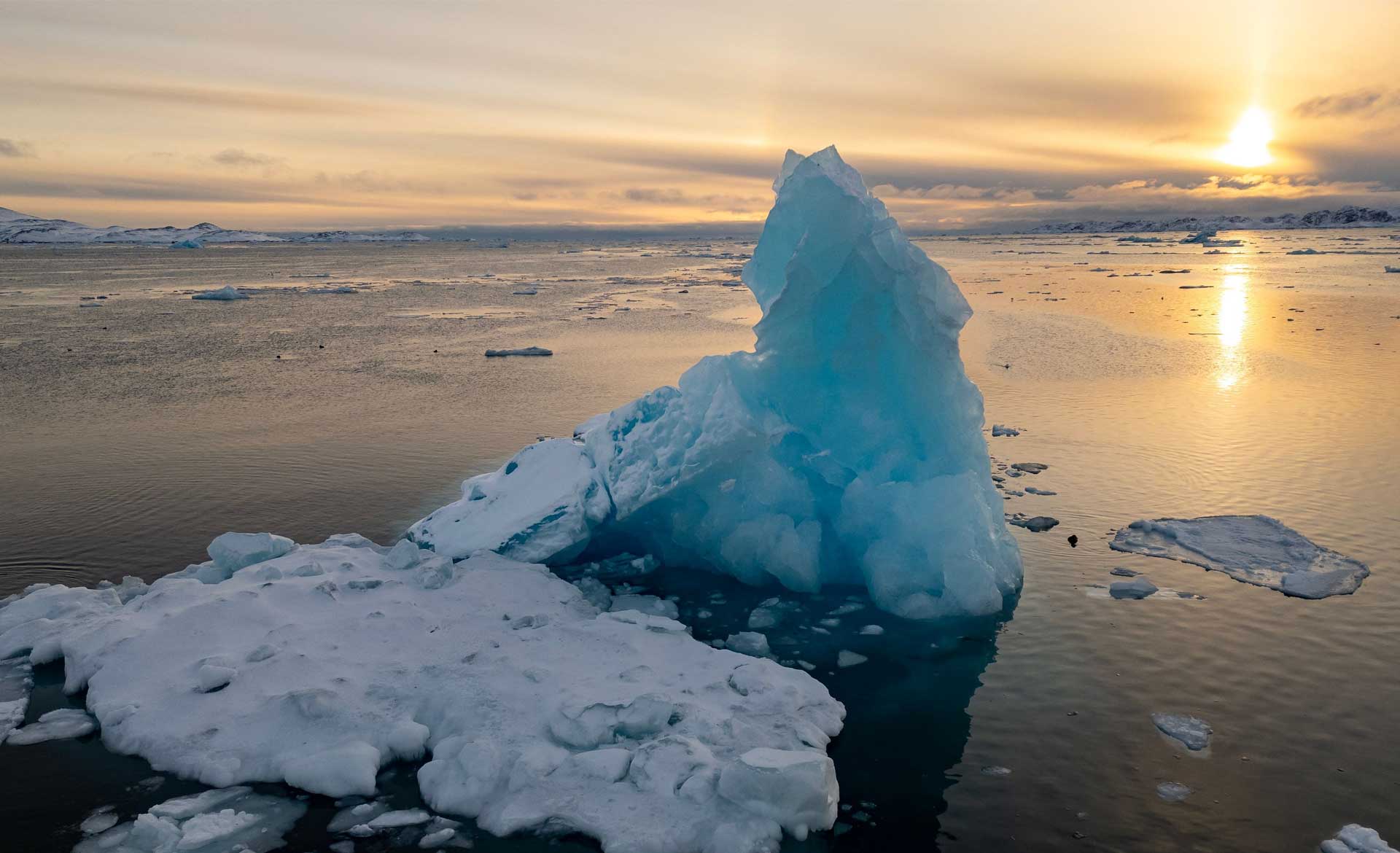
According to NOAA, Arctic surface air temperatures from October 2024 to September 2025 were the highest on record since 1900, with autumn 2024 and winter 2025 being the warmest and second warmest seasons. The Arctic is warming more than twice as fast as the global average.
The report noted major changes, including warmer, saltier waters moving north (“atlantification”), boreal species spreading, thawing permafrost releasing metals, and record-high precipitation. Winter sea ice in March 2025 reached its lowest maximum extent in 47 years. Glaciers and ice across the Arctic, Greenland, and Alaska are melting, contributing to rising global sea levels and increasing risks like flooding, landslides, and threats to water supplies and coastal communities.
Credit : CGTN
You can listen to the programs organized by MI Radio on Google Podcast, Apple Podcast and Spotify.




You can download MI Radio application on Google Play Store and Apple App Store.


