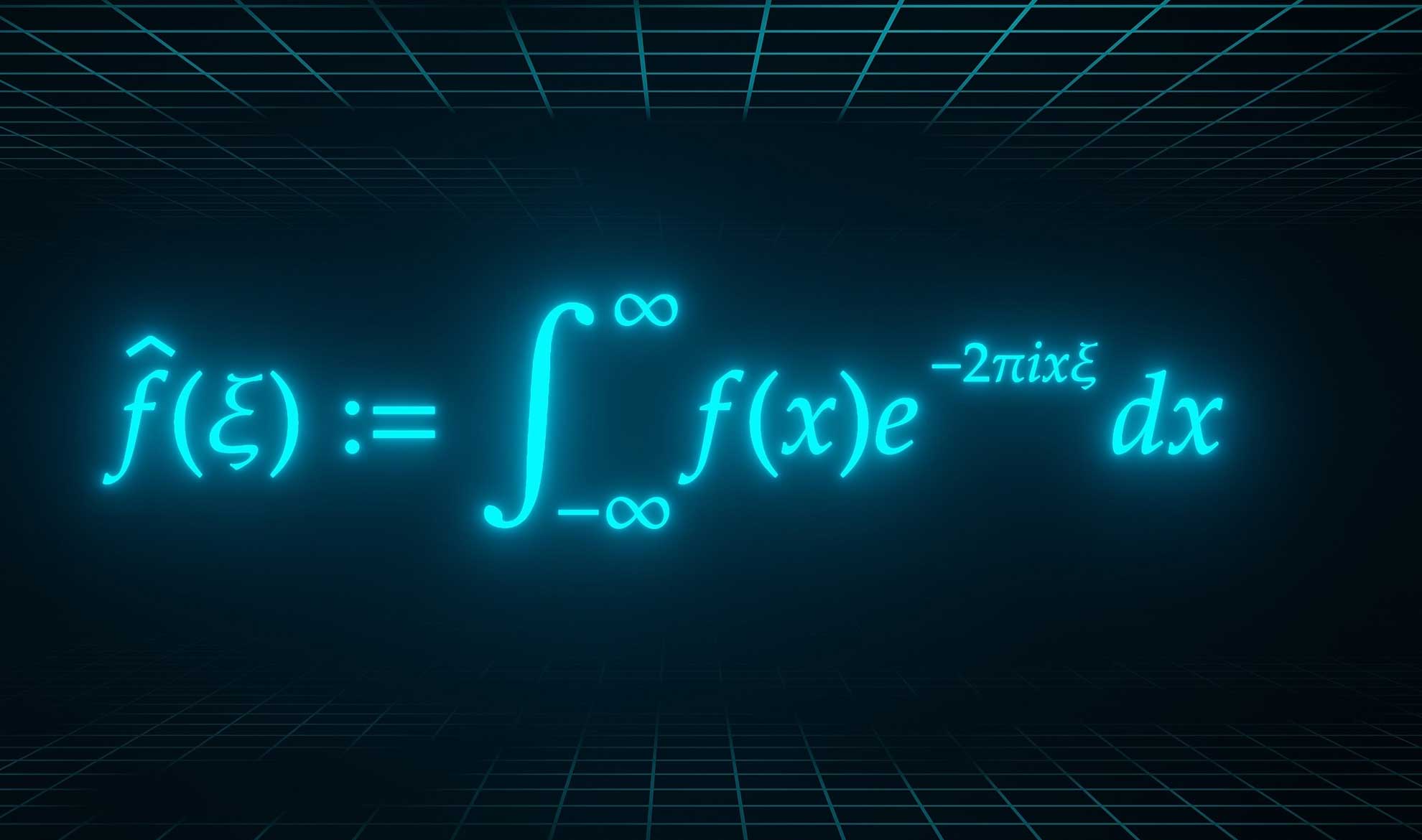
Chinese researchers from Peking University have developed a new computational architecture that boosts computing power nearly fourfold, offering major potential for fields such as artificial intelligence, autonomous systems, brain-inspired computing, and communication technology. By redesigning how the Fourier Transform — a core method for converting signals into frequency data — is processed, the team combined two novel frequency-conversion devices into a multi-physics hardware system that allows different computing tasks to run in their most efficient physical forms, such as electrical charge or light. Published in Nature Electronics, the system increases computing speed from about 130 billion to 500 billion operations per second while reducing power consumption and maintaining accuracy. Researchers say the breakthrough could significantly accelerate next-generation AI hardware, brain-computer interfaces, and advanced sensing and communication systems.
Credit : CGTN
You can listen to the programs organized by MI Radio on Google Podcast, Apple Podcast and Spotify.




You can download MI Radio application on Google Play Store and Apple App Store.


