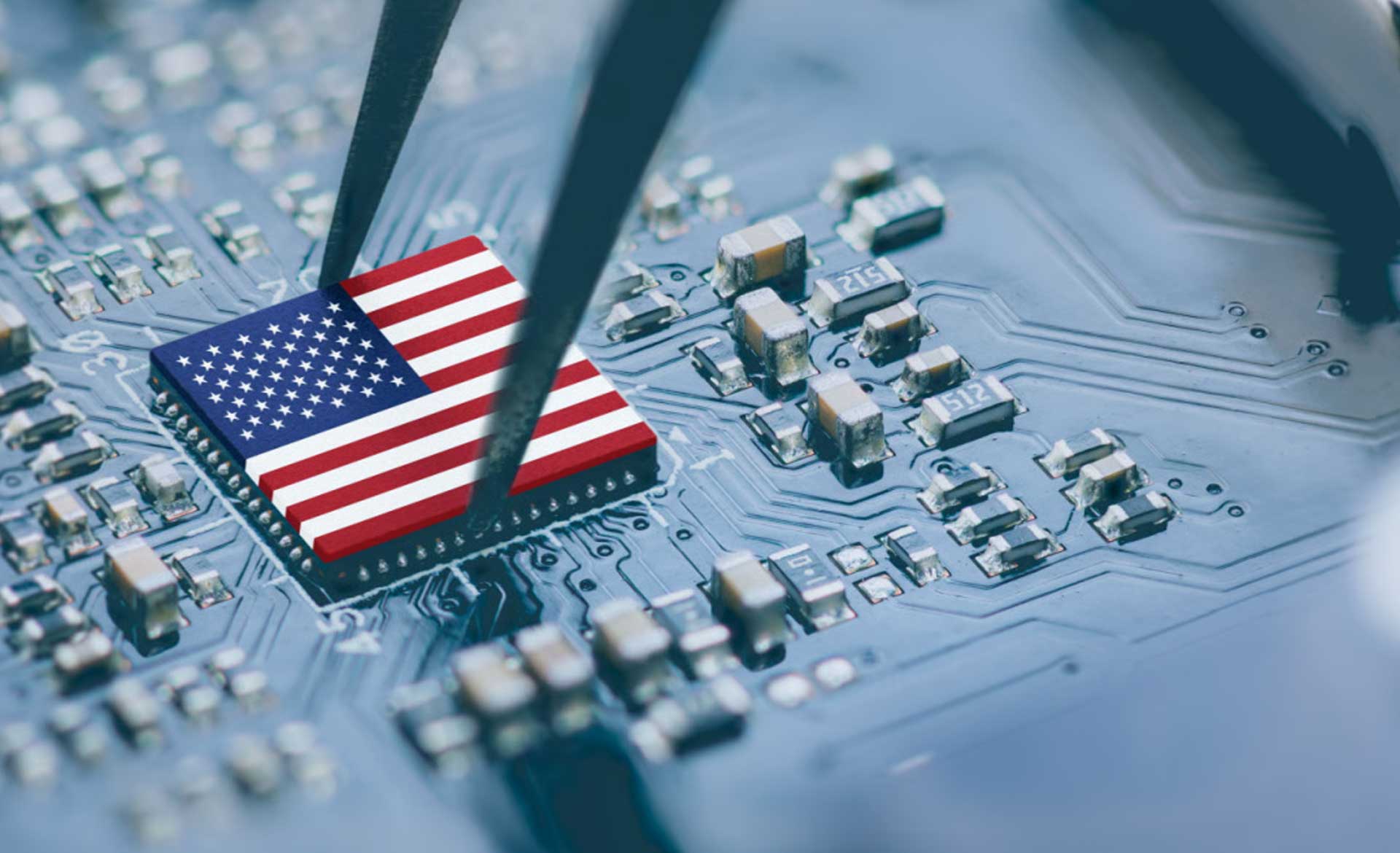
A new U.S. Senate bill, the “Chip Security Act,” introduced by Senator Tom Cotton on May 9, is sparking concerns in the tech world. The legislation would require advanced AI chips to include location-tracking mechanisms, with provisions for a potential remote kill switch.
Supporters say the bill is aimed at tightening export controls and preventing China from acquiring sensitive semiconductor technology. But experts warn it could disrupt global supply chains, raise cybersecurity risks, and fuel privacy concerns.
Reports reveal that tracking devices have already been found in some U.S. tech exports for years, used originally for logistics but now poised to become tools of national security. Critics compare the move to past surveillance efforts, like the Clipper chip plan in the 1990s and the PRISM program revealed by Edward Snowden.
Analysts say the bill signals a major escalation, shifting surveillance from software backdoors to the very hardware that underpins today’s digital world.
Credit: CGTN
You can listen to the programs organized by MI Radio on Google Podcast, Apple Podcast and Spotify.




You can download MI Radio application on Google Play Store and Apple App Store.


